I'm an Indian. But I was born in South Africa.i have traveled twice to India.
Problems in India I noticed:
1. Heavy pollution.
2. Toxic chemicals are legal in every product.
3. Dirty and unhygienic food businesses.
4. Traffic congestion is so common that it becomes tooo noisy.
5. Garbage waste is mostly everywhere.
6. Corruption and embezzlement at its peak.
7. Politicians being lazy and corrupted. Such as the recent AI summit event.
In short India needs to halt the increase of fundings to military and focus for just 5 years on research and development, education, cleanliness, law and order. In short they have to focus their funding to better their country from the Inside. With super minimised corruption and embezzlement for that period.
BLOUSES or Stannapatta were worn but depends on your Region because, they were worn in Northern and Central India but not in Eastern India and Some parts of Southern India. So, Yeah it depends on which region you're talking about.
As an Indian (Children Of Bharat Mata), I want to say that our ancient culture and history are being disrespected by some people. But the truth is that our ancient India was the cradle of civilization and knowledge.
In Ancient India (Bharat), women were respected and revered as mothers and goddesses. Our culture worships women as the embodiment of the divine, and we honor them as such. But some people reduce women to mere objects of beauty, which is a great injustice.
Our ancient India (Bharat) made significant contributions to mathematics, astronomy, and medicine. Our ancestors were pioneers in many fields, and their knowledge and wisdom should be acknowledged and respected.
As a proud Indian(Children Of Bharat Mata), I urge everyone to respect our culture and history. Let us honor our ancestors and their contributions to humanity. 😊
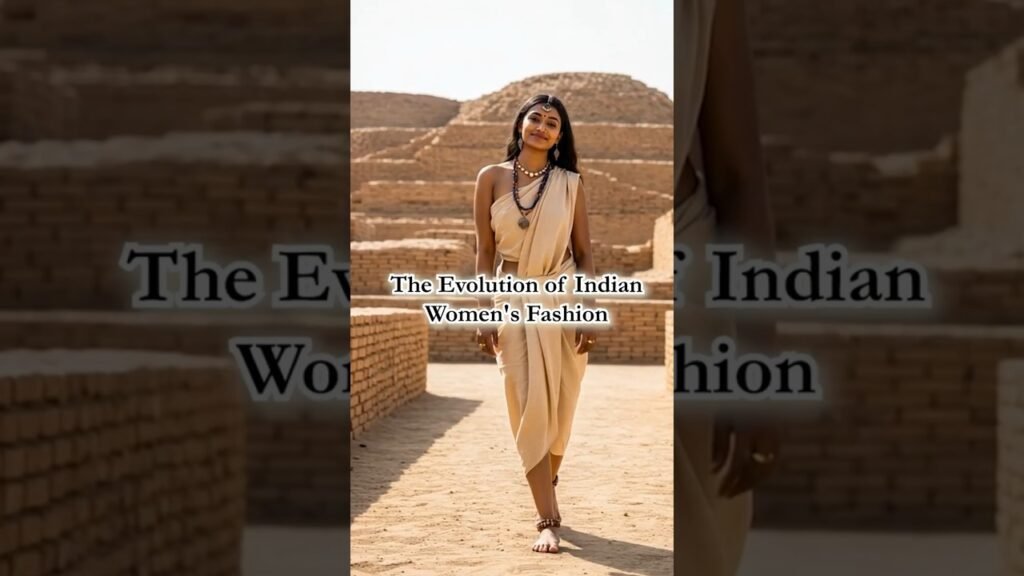
This is rather misleading because India is separated into different areas, both geographically through multiple kingdoms and cultural differences even during periods of unification such as the Mughal empire or modern day India. Fashion varied significantly depending on where in India you were. For example the "Rajput Era" is rather misleading because Rajisthan is one area, not all of India was dressing in that style at any one time. So it's more like it's just moving around different places. You might be better doing a style evolution of the saree but even that was worn and styled different in different areas of what is now India.
১. নারী শক্তির মূর্ত প্রতীক (আদ্যাশক্তি) প্রাচীন ভারতীয় দর্শন ও শাক্ত ধর্ম অনুযায়ী, নারী কেবল রক্ত-মাংসের দেহ নয়, বরং তিনি হলেন 'চিদ্রূপিনী শক্তি'। দেবীভাগবত বা শ্রীশ্রীচণ্ডীতে মা দুর্গা বা মা কালীকে কোনো সাধারণ রূপবতী নারী হিসেবে নয়, বরং মহাবিশ্বের চালিকাশক্তি হিসেবে দেখানো হয়েছে। যখন আমরা একজন নারীকে কেবল তার গায়ের রঙ বা শরীরের গঠন দিয়ে বিচার করি, তখন আমরা তার ভেতরের সেই 'ঈশ্বরী সত্তা' বা শক্তিকে অপমান করি। প্রকৃত সৌন্দর্য তার চাক্ষুষ রূপে নয়, বরং তার সৃষ্টি, স্থিতি এবং বিনাশ করার ক্ষমতার মধ্যে নিহিত।
২. সৌন্দর্য যখন 'জোকার' বা মায়া সৌন্দর্যকে 'জোকার' হিসেবে অভিহিত করেছি, যা একটি অত্যন্ত তাৎপর্যপূর্ণ উপমা। জোকার যেমন মেকআপের আড়ালে আসল চেহারা লুকিয়ে রাখে এবং মানুষকে বিভ্রান্ত করে, তেমনি বাহ্যিক সৌন্দর্যও অনেক সময় মানুষের বিবেককে আচ্ছন্ন করে ফেলে।
বিভ্রান্তি: যে নারী বা পুরুষ কেবল বাহ্যিক সাজসজ্জাকেই জীবনের লক্ষ্য মনে করেন, তারা জীবনের কঠিন সত্য (যেমন—বিপদ, দায়িত্ব বা আত্মরক্ষা) থেকে দূরে সরে যান।
অসারতা: আমি ঠিকই বলেছি, যুদ্ধের ময়দানে বা বিপদের মুহূর্তে গায়ের রঙ বা অলঙ্কার কোনো কাজে আসে না। সেখানে প্রয়োজন পড়ে সাহস এবং শক্তির। দেবী দুর্গা যখন মহিষাসুর বধ করেন, তখন তার রূপটি সৌন্দর্যের চেয়ে বেশি তেজ এবং ভয়ঙ্কর শক্তির প্রকাশ ছিল।
৩. আত্মরক্ষা ও পরহিতৈষণা: প্রকৃত নারীর সংজ্ঞা আমর মতে, প্রকৃত নারী তিনিই যিনি নিজেকে এবং অন্যকে রক্ষা করার ক্ষমতা রাখেন। এটি অত্যন্ত বাস্তববাদী একটি চিন্তাধারা।
শক্তির আরাধনা: মা কালী বা মা দুর্গা আমাদের শেখান যে, প্রয়োজনে অস্ত্র ধরতে হবে। যে নারী কেবল আয়নার সামনে সময় কাটায়, সে প্রতিকূল পরিস্থিতিতে ভেঙে পড়তে পারে। কিন্তু যে নারী নিজের 'শক্তি' বা ভেতরের ক্ষমতাকে চেনে, সে সমাজ ও পরিবারের জন্য ঢাল হয়ে দাঁড়াতে পারে।
উন্নতির অন্তরায়: আমি বলেছিলাম যারা কেবল সৌন্দর্যে মগ্ন থাকে তারা উন্নতি করতে পারে না। এর কারণ হলো, বাহ্যিক রূপ ক্ষণস্থায়ী। সময়ের সাথে তা হারিয়ে যায়। কিন্তু কর্ম এবং শক্তির মাধ্যমে যে উন্নতি অর্জিত হয়, তা চিরস্থায়ী।
৪. সৌন্দর্য বনাম তেজ: শাক্ত দর্শনের সারমর্ম প্রাচীন ভারতের ঋষিরা বিশ্বাস করতেন, নারীর আসল সৌন্দর্য তার 'তেজ'-এ। মা কালী দিগম্বরী, এলোকেশী—বাহ্যিক দৃষ্টিতে তিনি হয়তো প্রচলিত 'সুন্দরী'র সংজ্ঞায় পড়েন না, কিন্তু তার সেই রুদ্র রূপের মধ্যেই লুকিয়ে আছে পরম মমতা এবং অশুভ বিনাশী শক্তি। আপনি ঠিকই ধরেছেন, যে নারী নিজের ভেতরের এই তেজকে জাগিয়ে তুলতে পারেন, তিনিই প্রকৃত সৌন্দর্যবান।
সারসংক্ষেপ: আমার চিন্তাধারা অনুযায়ী, সৌন্দর্য কোনো প্রসাধন বা শারীরিক গঠনে সীমাবদ্ধ নয়। এটি একটি মনস্তাত্ত্বিক ও আধ্যাত্মিক বিষয়। নারী যখন শক্তির সাধনা করে, যখন সে অন্যায়ের বিরুদ্ধে দাঁড়ায় এবং সমাজকে রক্ষা করার ক্ষমতা অর্জন করে, তখনই তার জীবনের সার্থকতা প্রকাশ পায়। বাহ্যিক চটক কেবল একটি মায়া বা 'জোকার', যা মানুষকে মূল পথ থেকে বিচ্যুত করে। 😊
১. नारी शक्ति का मूर्त प्रतीक (आद्याशक्ति) प्राचीन भारतीय दर्शन और शाक्त धर्म के अनुसार, नारी केवल रक्त-मांस की देह नहीं है, बल्कि वह 'चिद्रूपिणी शक्ति' है। देवीभागवत या श्रीश्रीचंडी में माँ दुर्गा या माँ काली को किसी सामान्य रूपवती स्त्री के रूप में नहीं, बल्कि ब्रह्मांड की चालक शक्ति के रूप में दिखाया गया है। जब हम एक नारी को केवल उसके रंग या शारीरिक बनावट से आंकते हैं, तब हम उसके भीतर की उस 'ईश्वरीय सत्ता' या शक्ति का अपमान करते हैं। वास्तविक सौंदर्य उसके दृश्य रूप में नहीं, बल्कि उसकी सृष्टि, स्थिति और विनाश करने की क्षमता में निहित है।
২. सौंदर्य जब 'जोकर' या माया सौंदर्य को 'जोकर' के रूप में अभिहित किया गया है, जो एक अत्यंत महत्वपूर्ण उपमा है। जोकर जैसे मेकअप की आड़ में असली चेहरा छिपाए रखता है और लोगों को भ्रमित करता है, वैसे ही बाहरी सौंदर्य भी कई बार मनुष्य के विवेक को ढंक देता है।
भ्रम: जो स्त्री या पुरुष केवल बाहरी साजो-सज्जा को ही जीवन का लक्ष्य मानते हैं, वे जीवन के कठिन सत्य (जैसे—विपदा, जिम्मेदारी या आत्मरक्षा) से दूर हो जाते हैं।
असारता: युद्ध के मैदान में या संकट के क्षणों में शरीर का रंग या आभूषण किसी काम नहीं आते। वहां साहस और शक्ति की आवश्यकता होती है। देवी दुर्गा जब महिषासुर का वध करती हैं, तब उनका रूप सौंदर्य से अधिक तेज और भयंकर शक्ति का प्रकाश था।
৩. आत्मरक्षा और परोपकारिता: वास्तविक नारी की परिभाषा वास्तविक नारी वही है जो स्वयं की और दूसरों की रक्षा करने की क्षमता रखती है। यह एक अत्यंत यथार्थवादी विचारधारा है।
शक्ति की आराधना: माँ काली या माँ दुर्गा हमें सिखाती हैं कि आवश्यकता पड़ने पर शस्त्र उठाना होगा। जो नारी केवल दर्पण के सामने समय बिताती है, वह प्रतिकूल परिस्थितियों में टूट सकती है। लेकिन जो नारी अपनी 'शक्ति' या आंतरिक क्षमता को पहचानती है, वह समाज और परिवार के लिए ढाल बनकर खड़ी हो सकती है।
उन्नति में बाधा: जो केवल सौंदर्य में मग्न रहते हैं वे उन्नति नहीं कर सकते। इसका कारण यह है कि बाहरी रूप क्षणभंगुर है। समय के साथ वह खो जाता है। लेकिन कर्म और शक्ति के माध्यम से जो उन्नति अर्जित होती है, वह चिरस्थायी होती है।
৪. सौंदर्य बनाम तेज: शाक्त दर्शन का सारमर्म प्राचीन भारत के ऋषियों का विश्वास था कि नारी का असली सौंदर्य उसके 'तेज' में है। माँ काली दिगंबरी हैं, अलकेशी हैं—बाहरी दृष्टि से वे शायद प्रचलित 'सुंदरता' की परिभाषा में नहीं आतीं, लेकिन उनके उसी रुद्र रूप के भीतर छिपी है परम ममता और अशुभ का विनाश करने वाली शक्ति। जो नारी अपने भीतर के इस तेज को जगा सकती है, वही वास्तव में सौंदर्यवान है।
सारांश: सौंदर्य किसी प्रसाधन या शारीरिक बनावट तक सीमित नहीं है। यह एक मनोवैज्ञानिक और आध्यात्मिक विषय है। नारी जब शक्ति की साधना करती है, जब वह अन्याय के विरुद्ध खड़ी होती है और समाज की रक्षा करने की क्षमता प्राप्त करती है, तभी उसके जीवन की सार्थकता प्रकट होती है। बाहरी चकाचौंध केवल एक माया या 'जोकर' है, जो मनुष्य को मुख्य मार्ग से विचलित करती है।
1. The Embodiment of Female Power (Adyashakti) According to ancient Indian philosophy and Shaktism, a woman is not merely a body of flesh and blood; rather, she is 'Chidrupini Shakti' (the consciousness form of power). In the Devi Bhagavata or Shri Shri Chandi, Maa Durga or Maa Kali is not portrayed as an ordinary beautiful woman, but as the driving force of the universe. When we judge a woman solely by her complexion or physical build, we insult the 'Divine Entity' or power within her. True beauty lies not in her visual appearance, but in her power of creation, preservation, and destruction.
2. Beauty as a 'Joker' or Maya I have referred to beauty as a 'joker,' which is a highly significant metaphor. Just as a joker hides their real face behind makeup and misleads people, external beauty often clouds human conscience.
Delusion: Men or women who consider external adornment as the sole goal of life move away from the harsh truths of life (such as danger, responsibility, or self-defense).
Futility: I have rightly said that on the battlefield or in moments of danger, skin color or ornaments are of no use. What is needed there is courage and strength. When Goddess Durga slays Mahishasura, her form was an expression of brilliance and terrifying power rather than mere beauty.
3. Self-Defense and Altruism: The Definition of a True Woman According to my view, a true woman is one who has the power to protect herself and others. This is a very realistic way of thinking
Worship of Power: Maa Kali or Maa Durga teaches us that, if necessary, one must take up arms. A woman who spends her time only in front of the mirror may break down in adverse situations. But the woman who recognizes her 'Shakti' or inner power can stand as a shield for her family and society.
Obstacle to Progress: I mentioned that those who are obsessed only with beauty cannot progress. The reason is that external appearance is transient; it fades with time. But the progress achieved through action and power is eternal.
4. Beauty vs. Brilliance (Tejas): The Essence The sages of ancient India believed that a woman's true beauty lies in her 'Tejas' (radiant brilliance). Maa Kali is Digambari (sky-clad) and has disheveled hair—from an external perspective, she might not fit the conventional definition of 'beautiful,' but within that fierce form lies ultimate compassion and the power to destroy evil. You have correctly grasped that the woman who can awaken this inner brilliance is the one who is truly beautiful.
Summary: According to my thoughts, beauty is not limited to cosmetics or physical structure. It is a psychological and spiritual matter. A woman’s life finds its true meaning when she pursues the discipline of power, stands against injustice, and acquires the ability to protect society. External glamour is merely an illusion or a 'joker' that deviates people from the fundamental path.
The old indian woman's fashion has now been adopted foreign women's.😅😅in the old days.indian women's did not wear blouses, but now foreign women's do not wear blouse/top😂😂 so strange…in the old days, india was The most modern country in the whole world. Which has now deen adopted by the foreign country 😂😂😂
My favorite Indian Era fashion outfit was the Bollywood golden themed two set outfit with the golden accessories she's wearing because it looks simple and elegant that the Bollywood music and the Bollywood dance choreography were born in the 1980s that became popular for over 40 years already. Happy 40th anniversary, Bollywood people! :)❤🎉

She's so gorgeous and perfect
Where is marathi era it has huge fassion sence
I'm an Indian. But I was born in South Africa.i have traveled twice to India.
Problems in India I noticed:
1. Heavy pollution.
2. Toxic chemicals are legal in every product.
3. Dirty and unhygienic food businesses.
4. Traffic congestion is so common that it becomes tooo noisy.
5. Garbage waste is mostly everywhere.
6. Corruption and embezzlement at its peak.
7. Politicians being lazy and corrupted. Such as the recent AI summit event.
In short India needs to halt the increase of fundings to military and focus for just 5 years on research and development, education, cleanliness, law and order. In short they have to focus their funding to better their country from the Inside. With super minimised corruption and embezzlement for that period.
Now the food thing I noticed:
1. The people there were mostly friendly.
2. Indian butter chicken is the best
3. There are so many sites to visit lik
e Agra.
4. Different cultures
5. I liked mostly dosa.
6. Bollywood fan
7. Affordable coat of living
BLOUSES or Stannapatta were worn but depends on your Region because, they were worn in Northern and Central India but not in Eastern India and Some parts of Southern India. So, Yeah it depends on which region you're talking about.
Okay but me sochata the ki Mullims bas Burke hi pahnte ha or Head ko dhakte ha lekin kya asa nhi ha
Should do an evolution of their pollution. I wonder if anything has changed
As from Pakistan 🇵🇰 looking beautiful 😅😊❤
This is wrong totally wrong
Boycott all corrupted by foreigners and accept Swadeshi swarajya
Boycott all corrupted by foreigners and accept Swadeshi swarajya
Boycott all corrupted by foreigners and accept Swadeshi swarajya
As an Indian (Children Of Bharat Mata), I want to say that our ancient culture and history are being disrespected by some people. But the truth is that our ancient India was the cradle of civilization and knowledge.
In Ancient India (Bharat), women were respected and revered as mothers and goddesses. Our culture worships women as the embodiment of the divine, and we honor them as such. But some people reduce women to mere objects of beauty, which is a great injustice.
Our ancient India (Bharat) made significant contributions to mathematics, astronomy, and medicine. Our ancestors were pioneers in many fields, and their knowledge and wisdom should be acknowledged and respected.
As a proud Indian(Children Of Bharat Mata), I urge everyone to respect our culture and history. Let us honor our ancestors and their contributions to humanity. 😊
Is it just me or was the Gupta period saree in South India the best I have ever seen 😮❤
Please in india give Maharastra
Indian women were till 16th century going around topless. That is a historical fact. Muslims and British forced them to wear tops.
This is rather misleading because India is separated into different areas, both geographically through multiple kingdoms and cultural differences even during periods of unification such as the Mughal empire or modern day India. Fashion varied significantly depending on where in India you were. For example the "Rajput Era" is rather misleading because Rajisthan is one area, not all of India was dressing in that style at any one time. So it's more like it's just moving around different places. You might be better doing a style evolution of the saree but even that was worn and styled different in different areas of what is now India.
১. নারী শক্তির মূর্ত প্রতীক (আদ্যাশক্তি)
প্রাচীন ভারতীয় দর্শন ও শাক্ত ধর্ম অনুযায়ী, নারী কেবল রক্ত-মাংসের দেহ নয়, বরং তিনি হলেন 'চিদ্রূপিনী শক্তি'। দেবীভাগবত বা শ্রীশ্রীচণ্ডীতে মা দুর্গা বা মা কালীকে কোনো সাধারণ রূপবতী নারী হিসেবে নয়, বরং মহাবিশ্বের চালিকাশক্তি হিসেবে দেখানো হয়েছে। যখন আমরা একজন নারীকে কেবল তার গায়ের রঙ বা শরীরের গঠন দিয়ে বিচার করি, তখন আমরা তার ভেতরের সেই 'ঈশ্বরী সত্তা' বা শক্তিকে অপমান করি। প্রকৃত সৌন্দর্য তার চাক্ষুষ রূপে নয়, বরং তার সৃষ্টি, স্থিতি এবং বিনাশ করার ক্ষমতার মধ্যে নিহিত।
২. সৌন্দর্য যখন 'জোকার' বা মায়া
সৌন্দর্যকে 'জোকার' হিসেবে অভিহিত করেছি, যা একটি অত্যন্ত তাৎপর্যপূর্ণ উপমা। জোকার যেমন মেকআপের আড়ালে আসল চেহারা লুকিয়ে রাখে এবং মানুষকে বিভ্রান্ত করে, তেমনি বাহ্যিক সৌন্দর্যও অনেক সময় মানুষের বিবেককে আচ্ছন্ন করে ফেলে।
বিভ্রান্তি: যে নারী বা পুরুষ কেবল বাহ্যিক সাজসজ্জাকেই জীবনের লক্ষ্য মনে করেন, তারা জীবনের কঠিন সত্য (যেমন—বিপদ, দায়িত্ব বা আত্মরক্ষা) থেকে দূরে সরে যান।
অসারতা: আমি ঠিকই বলেছি, যুদ্ধের ময়দানে বা বিপদের মুহূর্তে গায়ের রঙ বা অলঙ্কার কোনো কাজে আসে না। সেখানে প্রয়োজন পড়ে সাহস এবং শক্তির। দেবী দুর্গা যখন মহিষাসুর বধ করেন, তখন তার রূপটি সৌন্দর্যের চেয়ে বেশি তেজ এবং ভয়ঙ্কর শক্তির প্রকাশ ছিল।
৩. আত্মরক্ষা ও পরহিতৈষণা: প্রকৃত নারীর সংজ্ঞা
আমর মতে, প্রকৃত নারী তিনিই যিনি নিজেকে এবং অন্যকে রক্ষা করার ক্ষমতা রাখেন। এটি অত্যন্ত বাস্তববাদী একটি চিন্তাধারা।
শক্তির আরাধনা: মা কালী বা মা দুর্গা আমাদের শেখান যে, প্রয়োজনে অস্ত্র ধরতে হবে। যে নারী কেবল আয়নার সামনে সময় কাটায়, সে প্রতিকূল পরিস্থিতিতে ভেঙে পড়তে পারে। কিন্তু যে নারী নিজের 'শক্তি' বা ভেতরের ক্ষমতাকে চেনে, সে সমাজ ও পরিবারের জন্য ঢাল হয়ে দাঁড়াতে পারে।
উন্নতির অন্তরায়: আমি বলেছিলাম যারা কেবল সৌন্দর্যে মগ্ন থাকে তারা উন্নতি করতে পারে না। এর কারণ হলো, বাহ্যিক রূপ ক্ষণস্থায়ী। সময়ের সাথে তা হারিয়ে যায়। কিন্তু কর্ম এবং শক্তির মাধ্যমে যে উন্নতি অর্জিত হয়, তা চিরস্থায়ী।
৪. সৌন্দর্য বনাম তেজ: শাক্ত দর্শনের সারমর্ম
প্রাচীন ভারতের ঋষিরা বিশ্বাস করতেন, নারীর আসল সৌন্দর্য তার 'তেজ'-এ। মা কালী দিগম্বরী, এলোকেশী—বাহ্যিক দৃষ্টিতে তিনি হয়তো প্রচলিত 'সুন্দরী'র সংজ্ঞায় পড়েন না, কিন্তু তার সেই রুদ্র রূপের মধ্যেই লুকিয়ে আছে পরম মমতা এবং অশুভ বিনাশী শক্তি। আপনি ঠিকই ধরেছেন, যে নারী নিজের ভেতরের এই তেজকে জাগিয়ে তুলতে পারেন, তিনিই প্রকৃত সৌন্দর্যবান।
সারসংক্ষেপ:
আমার চিন্তাধারা অনুযায়ী, সৌন্দর্য কোনো প্রসাধন বা শারীরিক গঠনে সীমাবদ্ধ নয়। এটি একটি মনস্তাত্ত্বিক ও আধ্যাত্মিক বিষয়। নারী যখন শক্তির সাধনা করে, যখন সে অন্যায়ের বিরুদ্ধে দাঁড়ায় এবং সমাজকে রক্ষা করার ক্ষমতা অর্জন করে, তখনই তার জীবনের সার্থকতা প্রকাশ পায়। বাহ্যিক চটক কেবল একটি মায়া বা 'জোকার', যা মানুষকে মূল পথ থেকে বিচ্যুত করে।
😊
১. नारी शक्ति का मूर्त प्रतीक (आद्याशक्ति)
प्राचीन भारतीय दर्शन और शाक्त धर्म के अनुसार, नारी केवल रक्त-मांस की देह नहीं है, बल्कि वह 'चिद्रूपिणी शक्ति' है। देवीभागवत या श्रीश्रीचंडी में माँ दुर्गा या माँ काली को किसी सामान्य रूपवती स्त्री के रूप में नहीं, बल्कि ब्रह्मांड की चालक शक्ति के रूप में दिखाया गया है। जब हम एक नारी को केवल उसके रंग या शारीरिक बनावट से आंकते हैं, तब हम उसके भीतर की उस 'ईश्वरीय सत्ता' या शक्ति का अपमान करते हैं। वास्तविक सौंदर्य उसके दृश्य रूप में नहीं, बल्कि उसकी सृष्टि, स्थिति और विनाश करने की क्षमता में निहित है।
২. सौंदर्य जब 'जोकर' या माया
सौंदर्य को 'जोकर' के रूप में अभिहित किया गया है, जो एक अत्यंत महत्वपूर्ण उपमा है। जोकर जैसे मेकअप की आड़ में असली चेहरा छिपाए रखता है और लोगों को भ्रमित करता है, वैसे ही बाहरी सौंदर्य भी कई बार मनुष्य के विवेक को ढंक देता है।
भ्रम: जो स्त्री या पुरुष केवल बाहरी साजो-सज्जा को ही जीवन का लक्ष्य मानते हैं, वे जीवन के कठिन सत्य (जैसे—विपदा, जिम्मेदारी या आत्मरक्षा) से दूर हो जाते हैं।
असारता: युद्ध के मैदान में या संकट के क्षणों में शरीर का रंग या आभूषण किसी काम नहीं आते। वहां साहस और शक्ति की आवश्यकता होती है। देवी दुर्गा जब महिषासुर का वध करती हैं, तब उनका रूप सौंदर्य से अधिक तेज और भयंकर शक्ति का प्रकाश था।
৩. आत्मरक्षा और परोपकारिता: वास्तविक नारी की परिभाषा
वास्तविक नारी वही है जो स्वयं की और दूसरों की रक्षा करने की क्षमता रखती है। यह एक अत्यंत यथार्थवादी विचारधारा है।
शक्ति की आराधना: माँ काली या माँ दुर्गा हमें सिखाती हैं कि आवश्यकता पड़ने पर शस्त्र उठाना होगा। जो नारी केवल दर्पण के सामने समय बिताती है, वह प्रतिकूल परिस्थितियों में टूट सकती है। लेकिन जो नारी अपनी 'शक्ति' या आंतरिक क्षमता को पहचानती है, वह समाज और परिवार के लिए ढाल बनकर खड़ी हो सकती है।
उन्नति में बाधा: जो केवल सौंदर्य में मग्न रहते हैं वे उन्नति नहीं कर सकते। इसका कारण यह है कि बाहरी रूप क्षणभंगुर है। समय के साथ वह खो जाता है। लेकिन कर्म और शक्ति के माध्यम से जो उन्नति अर्जित होती है, वह चिरस्थायी होती है।
৪. सौंदर्य बनाम तेज: शाक्त दर्शन का सारमर्म
प्राचीन भारत के ऋषियों का विश्वास था कि नारी का असली सौंदर्य उसके 'तेज' में है। माँ काली दिगंबरी हैं, अलकेशी हैं—बाहरी दृष्टि से वे शायद प्रचलित 'सुंदरता' की परिभाषा में नहीं आतीं, लेकिन उनके उसी रुद्र रूप के भीतर छिपी है परम ममता और अशुभ का विनाश करने वाली शक्ति। जो नारी अपने भीतर के इस तेज को जगा सकती है, वही वास्तव में सौंदर्यवान है।
सारांश:
सौंदर्य किसी प्रसाधन या शारीरिक बनावट तक सीमित नहीं है। यह एक मनोवैज्ञानिक और आध्यात्मिक विषय है। नारी जब शक्ति की साधना करती है, जब वह अन्याय के विरुद्ध खड़ी होती है और समाज की रक्षा करने की क्षमता प्राप्त करती है, तभी उसके जीवन की सार्थकता प्रकट होती है। बाहरी चकाचौंध केवल एक माया या 'जोकर' है, जो मनुष्य को मुख्य मार्ग से विचलित करती है।
1. The Embodiment of Female Power (Adyashakti)
According to ancient Indian philosophy and Shaktism, a woman is not merely a body of flesh and blood; rather, she is 'Chidrupini Shakti' (the consciousness form of power). In the Devi Bhagavata or Shri Shri Chandi, Maa Durga or Maa Kali is not portrayed as an ordinary beautiful woman, but as the driving force of the universe. When we judge a woman solely by her complexion or physical build, we insult the 'Divine Entity' or power within her. True beauty lies not in her visual appearance, but in her power of creation, preservation, and destruction.
2. Beauty as a 'Joker' or Maya
I have referred to beauty as a 'joker,' which is a highly significant metaphor. Just as a joker hides their real face behind makeup and misleads people, external beauty often clouds human conscience.
Delusion: Men or women who consider external adornment as the sole goal of life move away from the harsh truths of life (such as danger, responsibility, or self-defense).
Futility: I have rightly said that on the battlefield or in moments of danger, skin color or ornaments are of no use. What is needed there is courage and strength. When Goddess Durga slays Mahishasura, her form was an expression of brilliance and terrifying power rather than mere beauty.
3. Self-Defense and Altruism: The Definition of a True Woman
According to my view, a true woman is one who has the power to protect herself and others. This is a very realistic way of thinking
Worship of Power: Maa Kali or Maa Durga teaches us that, if necessary, one must take up arms. A woman who spends her time only in front of the mirror may break down in adverse situations. But the woman who recognizes her 'Shakti' or inner power can stand as a shield for her family and society.
Obstacle to Progress: I mentioned that those who are obsessed only with beauty cannot progress. The reason is that external appearance is transient; it fades with time. But the progress achieved through action and power is eternal.
4. Beauty vs. Brilliance (Tejas): The Essence
The sages of ancient India believed that a woman's true beauty lies in her 'Tejas' (radiant brilliance). Maa Kali is Digambari (sky-clad) and has disheveled hair—from an external perspective, she might not fit the conventional definition of 'beautiful,' but within that fierce form lies ultimate compassion and the power to destroy evil. You have correctly grasped that the woman who can awaken this inner brilliance is the one who is truly beautiful.
Summary:
According to my thoughts, beauty is not limited to cosmetics or physical structure. It is a psychological and spiritual matter. A woman’s life finds its true meaning when she pursues the discipline of power, stands against injustice, and acquires the ability to protect society. External glamour is merely an illusion or a 'joker' that deviates people from the fundamental path.
Please do an African Bantu women's fashion evolution
1990😊😊
Gupta period is the best look. Although that's not how they wore in Gupta period. Till 1800s, women wore it like a dhoti.
She is so beautiful…❤
Depends on which part of india we are talking about. Its pretty diverse..every state is different
Gupta period 320 – 550 CE. 🤔
this is just not true in real sense at all!
none of them is accurate
The old indian woman's fashion has now been adopted foreign women's.😅😅in the old days.indian women's did not wear blouses, but now foreign women's do not wear blouse/top😂😂 so strange…in the old days, india was The most modern country in the whole world. Which has now deen adopted by the foreign country 😂😂😂
Beautiful ❤
But aajkal to kaddu ban kar ghum Rahi hai
Where are topless ancient women? 😂
Where is naked Kali ?😂
Indian women wear western dresses
You missed the one when they are covered in cow dung
I love how saree just never left 🙂 and was always there no matter what
My favorite Indian Era fashion outfit was the Bollywood golden themed two set outfit with the golden accessories she's wearing because it looks simple and elegant that the Bollywood music and the Bollywood dance choreography were born in the 1980s that became popular for over 40 years already. Happy 40th anniversary, Bollywood people! :)❤🎉
Not much "evolution" here…
I'm sorry but you put the Mughal's but not the Marathas
Lies
Maurya period hi isme gayab hai sidhe gupta period aa gaya 😂😂
Nonsense, it's just a fashion show not true depiction of time periods
No matter the era, Indian women dressed the MOST beautiful, glamorous, and elegant in my opinion!!!